
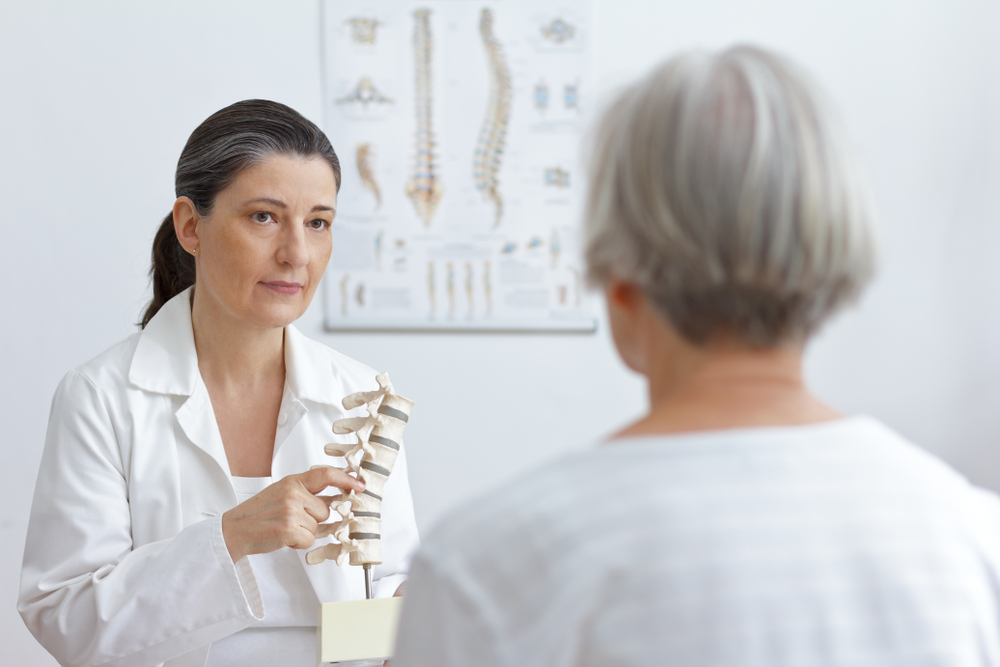
Osteoporosis is a condition characterized by weakened bones that are more susceptible to fractures. While it is commonly associated with aging, osteoporosis can arise from different causes, leading to distinct types of the disease. Understanding these variations is important for appropriate diagnosis and treatment.
The most common form is primary osteoporosis, which typically develops with age and hormonal changes—especially after menopause in women. Secondary osteoporosis results from other medical conditions or medications that affect bone health, such as rheumatoid arthritis, chronic kidney disease, or prolonged use of corticosteroids. There is also a less common form called idiopathic osteoporosis, which affects younger individuals without clear risk factors.
Each type requires a tailored approach to management. Lifestyle modifications like adequate calcium and vitamin D intake, regular weight-bearing exercise, and fall prevention strategies are foundational. Medications may be prescribed depending on severity and underlying causes. Personalized care, often available through concierge medicine, ensures bone health is monitored closely to prevent fractures and maintain mobility.
Is this helpful so far?
Ask ChatGPT