
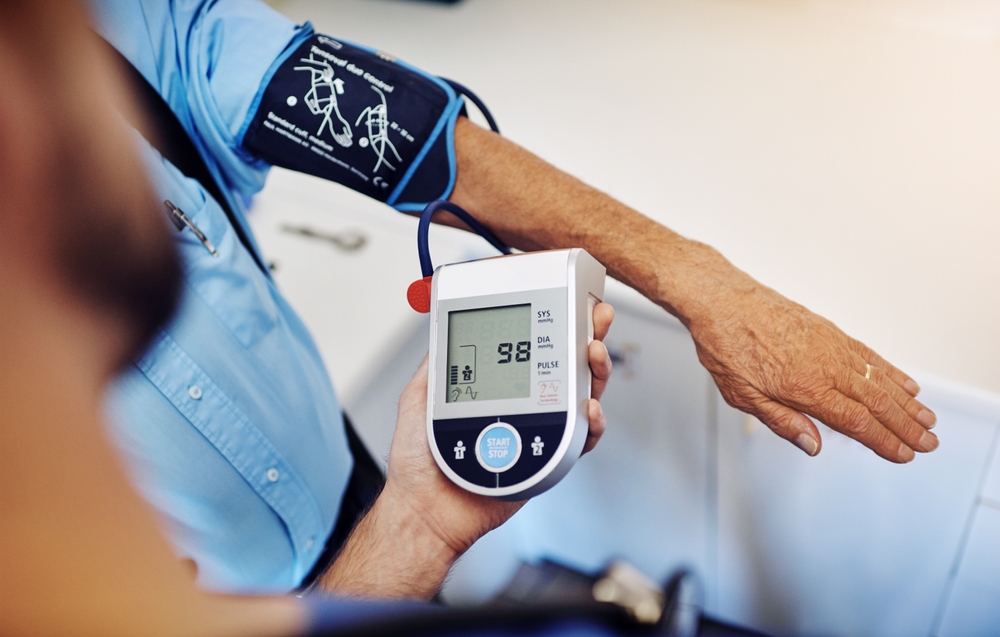
At The Palm Beach Clinic for Concierge Internal Medicine and Cardiology, patients frequently ask for clarification on what their blood pressure numbers mean. The two values, systolic and diastolic, are central to understanding cardiovascular risk, yet they’re often misunderstood. Blood pressure is one of the most important markers of heart health, and knowing the difference between these two readings can help patients make informed decisions about prevention, treatment, and lifestyle changes. This educational guide offers a detailed breakdown of systolic and diastolic blood pressure, what each number represents, and how they impact long-term wellness.
What Is Blood Pressure and Why Does It Matter
Blood pressure measures the force of blood pushing against the walls of your arteries as your heart pumps. It’s expressed as two numbers, such as 120/80 mmHg, with the first number representing systolic pressure and the second diastolic pressure. These values provide insight into how hard the heart is working and how much resistance the arteries are providing.
Maintaining a healthy blood pressure is essential because elevated levels over time can damage blood vessels, increase the risk of stroke and heart attack, and strain organs like the kidneys and eyes. Low blood pressure, on the other hand, may lead to dizziness, fainting, or shock if left unmanaged. Understanding what each component of your blood pressure means is the first step toward monitoring and protecting your cardiovascular health.
Defining Systolic Blood Pressure
Systolic blood pressure is the top number in a blood pressure reading. It measures the pressure in your arteries when your heart contracts to pump blood. This is the moment when the heart is actively working, pushing oxygen-rich blood throughout the body. Because of this forceful movement, systolic pressure is typically the higher of the two numbers.
Elevated systolic blood pressure, particularly in adults over age 50, is a well-established predictor of cardiovascular events. This condition, known as isolated systolic hypertension, can exist even when diastolic pressure remains within normal limits. It often results from stiffening of the arteries with age, which increases resistance and raises the pressure required to circulate blood. Left unmanaged, high systolic pressure can contribute to left ventricular hypertrophy (thickening of the heart muscle), increasing the risk of heart failure and arrhythmias.
Understanding Diastolic Blood Pressure
Diastolic blood pressure is the bottom number in a reading. It measures the pressure in your arteries when your heart is at rest between beats. During this time, the heart is refilling with blood, and the arteries are still under some tension, but not as much as during systole.
While systolic pressure tends to receive more attention in older adults, diastolic pressure is significant in younger individuals. Persistently high diastolic readings can signal increased resistance in the smaller arteries and are associated with a higher risk of developing cardiovascular disease over time. Conversely, very low diastolic pressure may reduce coronary artery perfusion, particularly in older adults, potentially leading to ischemia or other complications.
Both systolic and diastolic values are important, neither should be ignored. A complete understanding of your blood pressure requires examining how these numbers interact and what they reveal about your heart’s function and the condition of your arteries.
How Blood Pressure Is Categorized
The American College of Cardiology and the American Heart Association classify blood pressure into several categories. Understanding these ranges can help patients track their readings and determine when action is needed.
- Normal: Less than 120/80 mmHg
- Elevated: Systolic 120–129 and diastolic less than 80 mmHg
- Stage 1 Hypertension: Systolic 130–139 or diastolic 80–89 mmHg
- Stage 2 Hypertension: Systolic 140 or higher or diastolic 90 or higher
- Hypertensive Crisis: Systolic over 180 and/or diastolic over 120 (requires immediate medical attention)
These classifications help guide treatment decisions. For instance, someone with consistently elevated systolic but normal diastolic pressure might need different interventions than someone with high readings in both categories. Regular monitoring and communication with a healthcare provider are crucial to managing these variations.
Factors That Influence Systolic and Diastolic Readings
Several factors can affect systolic and diastolic blood pressure differently. Age is a significant determinant; systolic pressure tends to rise with age due to arterial stiffening, while diastolic pressure may peak in midlife and decline later. Lifestyle choices, such as diet, exercise, sleep, and stress management, play a critical role in both physical and mental health.
Health conditions like atherosclerosis, thyroid disorders, and kidney disease can affect either or both pressures. Medications may also have distinct effects. For example, beta-blockers and ACE inhibitors may lower systolic pressure more effectively, while calcium channel blockers may impact both numbers.
Even posture, time of day, and hydration status can influence blood pressure readings. That’s why it’s important to measure blood pressure under consistent conditions and track trends over time rather than focusing on isolated readings.
Risks of High and Low Blood Pressure
Both high and low readings of systolic and diastolic pressure carry unique risks. Chronic high systolic pressure increases the likelihood of stroke, aneurysm, and heart attack, particularly in older adults. High diastolic pressure may place additional stress on smaller blood vessels and is a known risk factor for long-term heart disease in younger populations.
Low diastolic pressure, especially below 60 mmHg, may reduce blood flow to the heart muscle itself. This is particularly concerning in people with existing coronary artery disease. Low systolic pressure may result in dizziness or fainting and may reflect underlying health issues such as dehydration or hormonal imbalances.
Identifying which number is out of range and understanding the cause is critical. Treatment must be personalized, taking into account the overall health profile, medical history, and other cardiovascular risk factors.
Lifestyle Strategies to Maintain Healthy Blood Pressure
Adopting heart-healthy habits can significantly impact both systolic and diastolic pressure. These strategies are effective for prevention and management:
- Follow a balanced diet rich in fruits, vegetables, whole grains, lean proteins, and healthy fats (such as in the Mediterranean or DASH diets).
- Limit sodium intake to under 2,300 mg per day—or ideally closer to 1,500 mg for those with elevated blood pressure.
- Engage in regular physical activity like brisk walking, cycling, or swimming for at least 150 minutes per week.
- Avoid tobacco and excessive alcohol, which both raise blood pressure and damage blood vessels.
- Manage stress through techniques such as meditation, deep breathing, or spending time in nature.
These lifestyle choices are powerful tools that support vascular health and help keep both systolic and diastolic pressures in a safe range.
At The Palm Beach Clinic for Concierge Internal Medicine and Cardiology, educating patients on how to interpret and act on their blood pressure readings is part of a proactive, whole-person approach to heart care. By understanding the differences between systolic and diastolic pressure and how they reflect cardiovascular health, patients can take meaningful steps toward long-term wellness and disease prevention.
Learn More
- Whelton, P. K., Carey, R. M., Aronow, W. S., et al. (2018). 2017 ACC/AHA/AAPA/ABC/ACPM/AGS Guideline for the Prevention, Detection, Evaluation, and Management of High Blood Pressure in Adults. Journal of the American College of Cardiology.
- Franklin, S. S., Gustin, W., Wong, N. D., et al. (1997). Hemodynamic Patterns of Age-Related Changes in Blood Pressure. Circulation.
- Messerli, F. H., Mancia, G., Conti, C. R., et al. (2006). Dogma Disputed: Can Diastolic Pressure Be Too Low? Journal of the American College of Cardiology.