
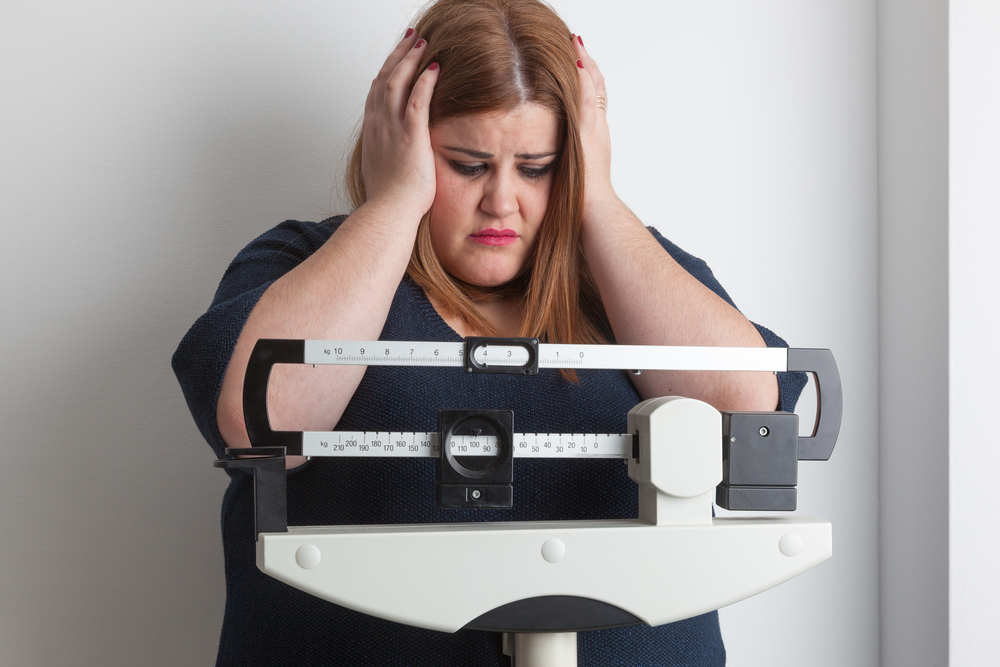
Obesity has become a major global health concern, and one of its most serious consequences is a reduction in life expectancy. Studies have consistently shown that individuals with obesity face a higher risk of chronic illnesses such as heart disease, diabetes, stroke, and certain types of cancer. These conditions not only affect quality of life but also shorten overall lifespan. Excess weight places continuous strain on the body’s organs, particularly the heart, making it work harder to circulate blood and maintain balance. Over time, this added stress significantly increases the risk of premature death.
The link between obesity and reduced life expectancy is closely tied to metabolic health. Carrying excess fat, especially around the abdomen, disrupts normal hormone regulation and contributes to insulin resistance, hypertension, and abnormal cholesterol levels. These metabolic changes accelerate the development of cardiovascular disease, which remains the leading cause of death worldwide. Even a moderate amount of excess weight can increase risk, making weight management a critical part of disease prevention and longevity.
The encouraging news is that lifestyle changes can make a measurable difference. Even a modest weight loss of 5–10% of body weight can improve blood pressure, regulate blood sugar, and lower cholesterol. When combined with regular physical activity, balanced nutrition, and preventive medical care, these adjustments can add years to life expectancy. Obesity may present challenges, but it is not an irreversible condition. With the right approach, individuals can take control of their health and extend both the length and quality of their lives.