
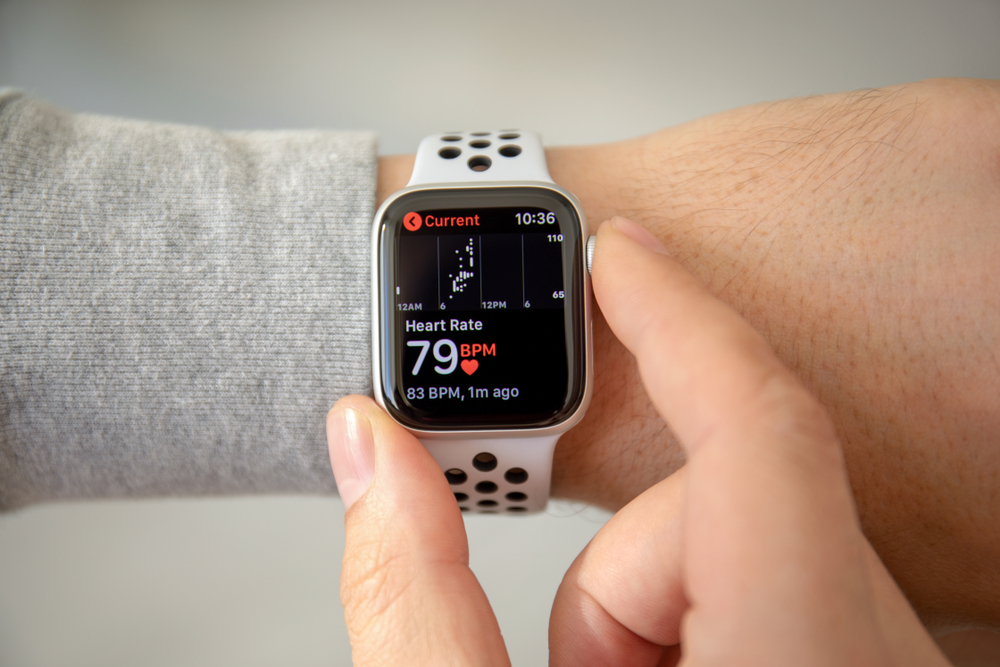
At The Palm Beach Clinic for Concierge Internal Medicine and Cardiology, many patients are turning to wearable health technology to stay proactive about their well-being between appointments. In today’s digital age, tracking your own health metrics no longer requires a visit to a medical office—smartwatches, fitness trackers, and biosensors offer round-the-clock insights into your heart rate, activity level, sleep quality, and more. These tools empower individuals to take a more active role in their care and can serve as valuable data sources for physicians monitoring chronic conditions or detecting early warning signs. Understanding how to use wearable tech effectively can make your daily habits more meaningful and your healthcare more personalized.
The Rise of Wearable Health Technology
Wearable health devices have become increasingly sophisticated in recent years, moving beyond basic step counters to advanced biometric tools. Devices like the Apple Watch, Fitbit, Garmin, and WHOOP bands now offer features such as continuous heart rate monitoring, ECG capabilities, blood oxygen saturation tracking (SpO₂), sleep analysis, and even stress detection. More advanced tools, including chest patches and biosensors, are used in clinical settings to monitor conditions like arrhythmias, atrial fibrillation, and heart failure.
The popularity of wearable tech reflects a growing trend toward preventive care and self-management. With these tools, patients can monitor their own physiological data in real time, identify patterns, and bring relevant information to their healthcare provider. For individuals managing chronic illnesses—or simply seeking to maintain optimal health—wearable technology can bridge the gap between annual exams and provide daily accountability.
Key Health Metrics You Can Track
Wearable devices track a variety of health metrics, each offering different insights into your cardiovascular and overall health. Understanding what these metrics mean and how to interpret them helps users make informed decisions about daily routines and long-term goals.
1. Heart Rate: Continuous heart rate monitoring provides insight into your resting heart rate (RHR), exercise performance, and recovery. A lower RHR generally indicates better cardiovascular fitness. Sudden changes in your average heart rate may point to overexertion, illness, or even arrhythmias.
2. Heart Rate Variability (HRV): HRV measures the variation in time between heartbeats and reflects your autonomic nervous system balance. Higher HRV is associated with better stress resilience and cardiovascular health.
3. Blood Oxygen Saturation (SpO₂): Monitoring oxygen levels can help detect early respiratory or cardiovascular concerns, especially in people with lung conditions or sleep apnea. Normal readings are typically between 95–100%.
4. Sleep Quality and Duration: Sleep trackers provide data on total sleep time, time spent in various sleep stages, and interruptions. Poor sleep is linked to increased blood pressure, weight gain, and cardiovascular strain.
5. Physical Activity: Most devices count steps, calories burned, and minutes spent in moderate-to-vigorous physical activity. Some also assess fitness levels using metrics like VO2 max.
6. ECG Readings: Select devices, like the Apple Watch, can record an electrocardiogram and detect irregular heart rhythms such as atrial fibrillation. This data can be shared directly with your physician for further analysis.
By tracking these metrics regularly, you can better understand how your lifestyle choices affect your health and identify trends that might indicate a need for medical attention.
Benefits of Wearable Tech for Heart and Overall Health
For many patients, wearable devices offer peace of mind and a sense of control over their health. Rather than relying solely on periodic doctor visits, you gain access to real-time feedback that allows for immediate adjustments—whether it’s taking a rest day after noticing a spike in your heart rate or prioritizing better sleep to improve recovery.
Wearables are especially beneficial for individuals with cardiovascular conditions. Those managing hypertension, for example, can correlate blood pressure readings with heart rate and activity levels. Patients with arrhythmias may use ECG-enabled devices to capture irregularities as they occur, providing their doctor with accurate, time-stamped data for diagnosis and treatment planning.
Wearable data also encourages healthier behavior. Studies show that people who use health-tracking devices are more likely to meet fitness goals, sleep better, and adhere to wellness plans. The ability to visualize progress can be highly motivating, helping users sustain lifestyle changes that support long-term health.
Limitations and Considerations
While wearable technology is a powerful tool, it’s important to recognize its limitations. Not all devices are FDA-approved or clinically validated, which means data accuracy can vary. For example, heart rate and SpO₂ readings from wrist-based sensors may be less accurate during intense movement or when the device is worn too loosely. Sleep data, while helpful for spotting trends, may not be as precise as lab-based sleep studies.
Users should view wearable data as a supplement to—not a substitute for—professional medical evaluation. These devices are not diagnostic tools but can offer helpful insights that guide lifestyle decisions and facilitate more informed conversations with your healthcare provider.
Privacy is another consideration. Data collected by wearable devices may be shared with third parties depending on the brand’s privacy policy. Always review terms of service and consider adjusting settings to protect sensitive health information.
How to Use Your Device Effectively
To get the most out of your wearable tech, consistency is key. Wear the device daily and ensure it is properly positioned and charged. Sync data to the companion app regularly and review trends over days or weeks instead of focusing on isolated numbers.
Keep a simple log of unusual symptoms or events that coincide with spikes or dips in your metrics. This information can be invaluable during medical visits, especially for conditions like palpitations or sleep disturbances. Some devices allow users to export reports or share data directly with their care team, helping bridge the gap between appointments.
Consider using your device to set personal health goals, such as walking a certain number of steps per day or improving sleep efficiency. Most apps offer reminders, progress badges, and coaching tips to help you stay engaged.
When to Share Wearable Data with Your Doctor
While wearables are great for personal insight, there are times when sharing your data with your doctor is important. Notify your provider if:
- Your resting heart rate has significantly increased or decreased
- You detect frequent irregular rhythms or ECG abnormalities
- You consistently sleep poorly or have symptoms of sleep apnea
- You experience chest discomfort, dizziness, or fainting that correlates with wearable readings
- You’re managing a chronic condition and need help interpreting your data
Your physician can review the data in context and determine whether additional testing or intervention is needed. Wearable tech enhances, not replaces, the clinical expertise and judgment of your healthcare provider.
At The Palm Beach Clinic for Concierge Internal Medicine and Cardiology, we encourage patients to take an active role in monitoring their health between visits. Wearable technology offers a unique opportunity to stay informed, engaged, and in tune with your body. When used correctly and in collaboration with your healthcare team, these tools can support more personalized and preventative care, one heartbeat at a time.
Learn More
- Steinhubl, S. R., Muse, E. D., & Topol, E. J. (2015). The Emerging Field of Mobile Health. Science Translational Medicine.
- Perez, M. V., Mahaffey, K. W., Hedlin, H., et al. (2019). Large-Scale Assessment of a Smartwatch to Identify Atrial Fibrillation. New England Journal of Medicine.
- Piwek, L., Ellis, D. A., Andrews, S., & Joinson, A. (2016). The Rise of Consumer Health Wearables: Promises and Barriers. PLoS Medicine.