
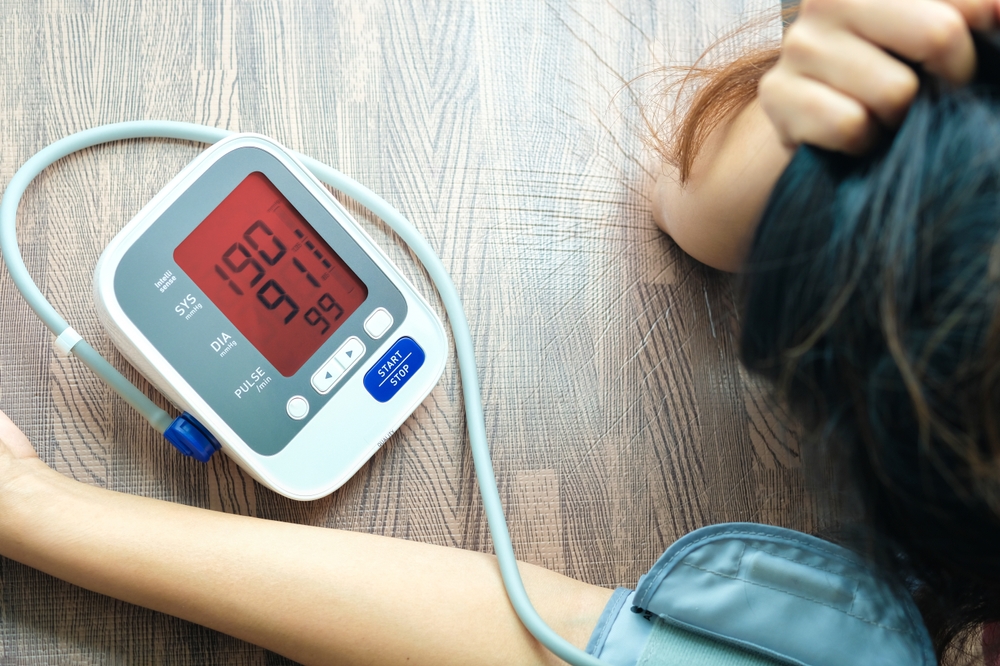
Stress is more than just a mental strain and it has real, measurable effects on your body. One of the most significant impacts is on your blood pressure. Whether it’s a looming deadline, financial worries, or the constant demands of daily life, stress triggers a cascade of hormonal and physical changes that can cause your blood pressure to rise. While occasional spikes are normal, chronic stress can keep your blood pressure elevated, increasing your risk for serious health issues like heart disease and stroke. Understanding this connection is the first step toward taking control of both your stress and your cardiovascular health.
In This Blog:
- The Science of Stress and Blood Pressure
- Short-Term vs. Long-Term Stress Effects
- Stress-Related Behaviors That Worsen Blood Pressure
- Hidden Dangers of Stress-Induced High Blood Pressure
- Stress Management Strategies for Better Blood Pressure
- How Concierge Medicine Helps Manage Stress and Blood Pressure
The Science of Stress and Blood Pressure
When you encounter stress, your body reacts as if it’s facing a threat. This natural reaction is known as the “fight-or-flight” response. During this response, your adrenal glands release hormones like adrenaline and cortisol, which prepare your body to act quickly.
These hormones cause your heart rate to increase and your blood vessels to narrow, both of which lead to a rise in blood pressure. While this reaction can be helpful in emergencies, repeated or prolonged activation puts unnecessary strain on your cardiovascular system. Over time, this constant pressure on the arteries can set the stage for hypertension and other serious health problems.
Short-Term vs. Long-Term Stress Effects
Not all stress affects your body the same way. Understanding the difference between short-term and long-term stress can help explain why blood pressure problems often go unnoticed until they become serious.
Short-Term Stress (Acute Stress)
- Causes temporary spikes in blood pressure.
- Examples: running late to an appointment, giving a presentation, or being stuck in traffic.
- Usually resolves once the stressor passes.
Long-Term Stress (Chronic Stress)
- Keeps your body in a near-constant state of alert.
- Hormones stay elevated, leading to consistently high blood pressure.
- Common causes: ongoing financial struggles, caregiving responsibilities, or high-pressure jobs.
- Increases the risk of developing chronic hypertension and related health issues.
When stress becomes chronic, your body no longer gets the recovery period it needs. This means your cardiovascular system remains under strain, silently increasing your risk for heart disease and stroke.
Stress-Related Behaviors That Worsen Blood Pressure
Stress doesn’t just affect your body directly, it also influences your daily choices. Many people turn to coping mechanisms that provide temporary relief but ultimately harm cardiovascular health.
- Unhealthy Diet Choices: Stress can lead to cravings for salty, fatty, or sugary foods, all of which contribute to high blood pressure.
- Increased Alcohol or Smoking: Both raise blood pressure and damage blood vessels, compounding the effects of stress.
- Lack of Sleep: Stress often disrupts sleep patterns, and poor sleep is a known risk factor for hypertension.
- Sedentary Habits: Feeling drained by stress may keep you from exercising, reducing one of the body’s best natural ways to lower blood pressure.
Together, these behaviors create a cycle where stress not only raises blood pressure directly but also pushes you toward habits that make the problem worse.
Hidden Dangers of Stress-Induced High Blood Pressure
Because stress-related spikes in blood pressure often go unnoticed, the dangers can build silently over time. Prolonged high blood pressure has widespread effects on the body:
- Heart and Arteries: Chronic pressure damages arterial walls, raising the risk of heart attack and stroke.
- Kidneys: High blood pressure can impair kidney function, leading to long-term health issues.
- Vision: Elevated pressure affects blood vessels in the eyes, increasing the risk of vision problems.
- Overall Awareness: Many people don’t realize they have high blood pressure until serious complications arise, making stress management and monitoring even more crucial.
Unchecked, stress-related hypertension doesn’t just affect how you feel day to day, it also increases your risk of life-threatening conditions in the future.
Stress Management Strategies for Better Blood Pressure
While you can’t eliminate stress completely, you can take steps to reduce its impact on your body and protect your blood pressure.
- Practice Relaxation Techniques: Deep breathing, meditation, or yoga can calm the nervous system and lower stress hormones.
- Stay Physically Active: Regular exercise helps release endorphins, improves circulation, and naturally lowers blood pressure.
- Prioritize Sleep: Aim for 7–9 hours of quality sleep each night to give your body the recovery it needs.
- Maintain a Balanced Diet: Focus on whole foods, lean proteins, and vegetables to counteract stress cravings.
- Set Boundaries: Learn to say no, manage your time wisely, and allow for regular downtime.
- Seek Support: Talking with a counselor, support group, or loved ones can reduce emotional stress and its physical effects.
Making these strategies part of your daily routine can significantly lower stress levels and improve long-term cardiovascular health.
How Concierge Medicine Helps Manage Stress and Blood Pressure
Managing stress and blood pressure isn’t a one-size-fits-all process as it requires consistent monitoring and personalized care. This is where concierge medicine makes a real difference.
- More Time with Your Doctor: Concierge physicians in Palm Beach can spend longer with you, addressing both physical and emotional stress factors.
- Personalized Monitoring: Regular check-ins, at-home blood pressure tracking, and ongoing communication help detect changes early.
- Holistic Care Approach: Concierge practices often integrate nutrition counseling, exercise planning, and mental health support.
- Proactive Prevention: Instead of waiting for a health crisis, concierge doctors help you manage stress before it causes long-term harm.
- Stronger Patient–Doctor Relationship: Having a trusted partner who knows your history reduces anxiety and provides reassurance in managing health challenges.
This comprehensive, individualized approach means you’re not just reacting to stress, but you’re actively preventing its harmful impact on your blood pressure and overall well-being.
Conclusion
Stress is an unavoidable part of life, but its effects on your blood pressure should never be ignored. From triggering short-term spikes to fueling chronic hypertension, unmanaged stress can put your heart and overall health at serious risk. The good news is that with the right strategies and personalized medical guidance, you can break the cycle and protect your long-term well-being. At Crandall Concierge Medicine & Cardiology in Palm Beach, we go beyond routine care to give you the time, attention, and tailored support you deserve. By combining proactive monitoring with a holistic approach to stress management, we help you take control of your blood pressure and improve your quality of life.
Don’t let stress silently damage your heart health. Schedule a consultation with Crandall Concierge Medicine & Cardiology today and discover how personalized, concierge-level care can help you manage stress, protect your blood pressure, and stay heart-healthy for years to come.