
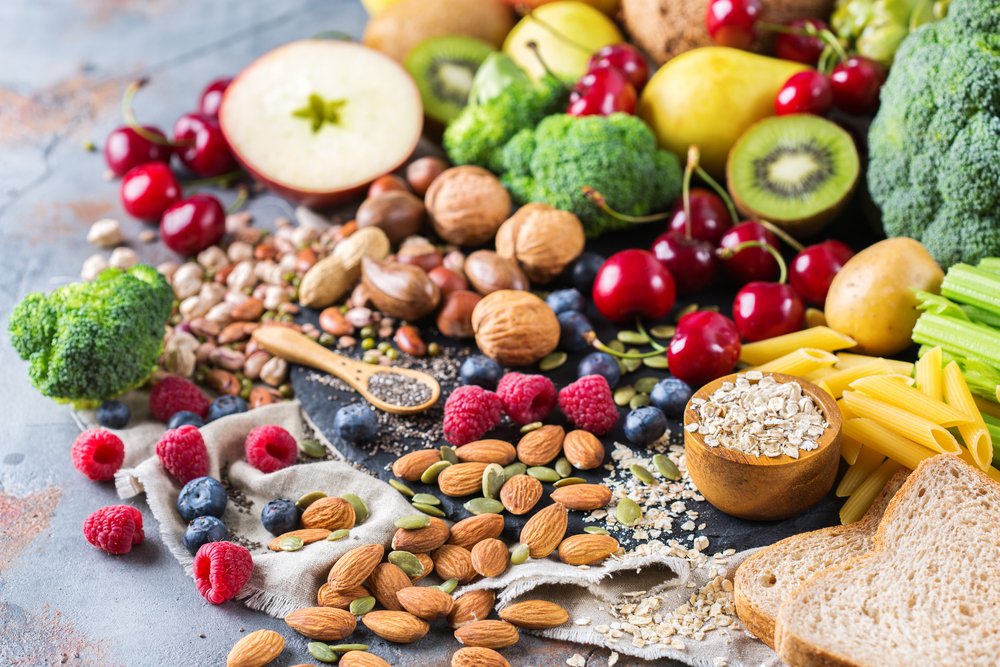
At The Palm Beach Clinic for Concierge Internal Medicine and Cardiology, patients often ask what foods they should be eating to protect and support their heart. Nutrition plays a vital role in cardiovascular health, helping to manage blood pressure, cholesterol, inflammation, and weight. While no single food guarantees protection from heart disease, building a diet around whole, nutrient-dense ingredients can significantly reduce risk. This guide explores essential heart-healthy foods and explains how they contribute to overall cardiovascular wellness.
Fatty Fish and Omega-3 Fatty Acids
Fatty fish such as salmon, mackerel, sardines, and trout are among the most powerful allies in a heart-healthy diet. These fish are rich in omega-3 fatty acids, which have been shown to lower triglyceride levels, reduce inflammation, and help regulate heart rhythm. Omega-3s also play a role in preventing the buildup of plaque in the arteries, reducing the risk of stroke and heart attacks.
Incorporating fatty fish into your diet two to three times a week can provide a strong foundation for heart health. When grilled or baked instead of fried, fish offers lean protein with minimal saturated fat. For those who do not consume seafood, omega-3s can also be obtained from flaxseeds, chia seeds, walnuts, and algae-based supplements. The key is consistency, as long-term intake of omega-3s is associated with better cardiovascular outcomes.
Fruits and Vegetables: Colorful Protection
Fruits and vegetables are rich in antioxidants, fiber, vitamins, and minerals, all essential for cardiovascular function. Diets high in plant-based foods are associated with lower blood pressure, improved cholesterol profiles, and reduced risk of heart disease. Antioxidants like vitamin C and beta-carotene help protect the lining of blood vessels, while fiber aids in regulating blood sugar and cholesterol levels.
The most beneficial approach is to “eat the rainbow” by consuming a wide variety of colors each day. Leafy greens like spinach and kale provide potassium and nitrates, which help relax blood vessels. Berries like blueberries, strawberries, and raspberries contain flavonoids that improve endothelial function and reduce oxidative stress. Citrus fruits deliver vitamin C and soluble fiber, while cruciferous vegetables like broccoli and Brussels sprouts support detoxification and inflammation control. Incorporating at least five servings of fruits and vegetables daily is a cornerstone of heart-smart nutrition.
Whole Grains for Cardiovascular Support
Whole grains are an important source of fiber, B vitamins, and other nutrients that help regulate heart health. Unlike refined grains, whole grains retain their bran and germ, which are rich in antioxidants and plant-based compounds that lower LDL cholesterol and improve insulin sensitivity. Diets high in whole grains are consistently linked to reduced risk of heart attack and stroke.
Examples of heart-healthy whole grains include oats, quinoa, barley, brown rice, bulgur, and whole wheat. Oats are particularly beneficial due to their beta-glucan content, a type of soluble fiber known to reduce cholesterol levels. Starting the day with a bowl of steel-cut oats or switching from white rice to quinoa at dinner can make a measurable difference in cardiovascular risk factors. The emphasis should be on gradual, sustainable swaps that increase whole grain consumption throughout the day.
Healthy Fats From Nuts, Seeds, and Olive Oil
Not all fats are created equal. Unsaturated fats, particularly monounsaturated and polyunsaturated fats, are essential for heart health. These fats help lower bad cholesterol (LDL) while raising good cholesterol (HDL), and they support cell membrane integrity and hormone balance.
Nuts and seeds, such as almonds, walnuts, flaxseeds, and pumpkin seeds, are excellent sources of these healthy fats along with fiber and plant sterols. Walnuts, for example, are rich in alpha-linolenic acid (ALA), a plant-based omega-3 fatty acid. Regular consumption of nuts has been linked to a lower risk of coronary artery disease.
Olive oil, particularly extra virgin olive oil, is another key player in a heart-healthy diet. It is a staple of the Mediterranean diet and contains powerful anti-inflammatory compounds like oleocanthal. Using olive oil in salad dressings, sautés, or as a drizzle over cooked vegetables is an easy way to replace less healthy fats like butter or margarine.
Legumes: Fiber-Packed Plant Proteins
Beans, lentils, chickpeas, and peas are often overlooked, but they are nutritional powerhouses for the heart. These legumes are high in fiber, protein, and complex carbohydrates while being naturally low in fat. Their soluble fiber content helps reduce cholesterol absorption in the intestines, while their plant-based protein supports muscle maintenance and satiety.
Regular intake of legumes can improve blood sugar control, reduce inflammation, and lower blood pressure, all of which are crucial for managing or preventing heart disease. Adding a serving of lentils to a salad, enjoying black beans in a taco, or blending chickpeas into a hummus dip are simple and cost-effective ways to integrate legumes into your diet. Aim for at least four servings per week to reap their cardiovascular benefits.
Foods That Are Especially Protective
While many whole foods support heart health, a few stand out for their particularly potent benefits. These items are supported by clinical research and can be added regularly to a balanced meal plan.
- Avocados: Packed with monounsaturated fats and potassium to help lower blood pressure and cholesterol.
- Dark chocolate (70%+ cocoa): Rich in flavonoids that improve blood flow and reduce oxidative stress (in moderation).
- Green tea: Contains catechins that may improve blood vessel function and reduce cholesterol levels.
- Garlic: Supports healthy blood pressure and has mild cholesterol-lowering effects.
- Tomatoes: A source of lycopene, an antioxidant linked to a lower risk of cardiovascular disease.
Incorporating these foods doesn’t require dramatic dietary overhauls. Instead, small, intentional choices, such as swapping butter for avocado on toast or drinking green tea in the afternoon, can have a cumulative positive effect over time.
What to Minimize or Avoid
While focusing on nutrient-rich foods is critical, equally important is limiting intake of ingredients that can harm heart health. Processed meats, trans fats, excess sodium, and added sugars are all strongly associated with increased risk of cardiovascular disease. These substances contribute to inflammation, elevated cholesterol, hypertension, and metabolic disorders.
Common culprits include processed snack foods, sugary beverages, fast food, and deli meats. Reading labels, cooking at home more often, and avoiding products with hydrogenated oils or high sodium content can significantly improve your dietary profile. Remember, dietary changes don’t have to be restrictive; they can be empowering when approached with education and intention.
Making Sustainable Dietary Changes
For long-term success, dietary changes should be gradual and personalized. Sudden, restrictive diets rarely result in lasting improvements. Instead, focus on building meals around whole foods, planning balanced snacks, and exploring new flavors and textures. Meal prepping, using spices and herbs for flavor, and involving family members in grocery shopping and cooking can make the process enjoyable.
Patients who make sustainable dietary shifts often report not only better lab results but also improved energy, sleep, and mood. A heart-healthy diet is about more than numbers; it’s about building a lifestyle that supports vitality and longevity.
The Palm Beach Clinic for Concierge Internal Medicine and Cardiology encourages individuals to take charge of their nutrition with evidence-based strategies. By incorporating these heart-supportive foods and minimizing harmful ones, patients can make a profound impact on their cardiovascular wellness for years to come.
Learn More
- Estruch, R., Ros, E., Salas-Salvadó, J., et al. (2018). Primary Prevention of Cardiovascular Disease with a Mediterranean Diet Supplemented with Extra-Virgin Olive Oil or Nuts. New England Journal of Medicine.
- Kris-Etherton, P. M., Innis, S., & American Dietetic Association. (2007). Position of the American Dietetic Association and Dietitians of Canada: Dietary Fatty Acids. Journal of the American Dietetic Association.
- Jenkins, D. J. A., Kendall, C. W. C., Marchie, A., et al. (2003). Effect of a Portfolio Diet on Hypercholesterolemia. JAMA.