At The Palm Beach Clinic for Concierge Internal Medicine and Cardiology, educating patients about the early warning signs of heart disease is a vital step toward prevention and early intervention. Heart disease remains the leading cause of death globally, but many people are unaware of the subtle symptoms that can appear well before a cardiac event. Recognizing these signs early on can lead to timely diagnosis, lifestyle changes, and treatments that reduce the risk of heart attacks, stroke, and heart failure. In this educational guide, we’ll explore the most common and easily overlooked early indicators of cardiovascular disease to help you stay informed and proactive about your heart health.
Chest Discomfort That Isn’t Always Intense
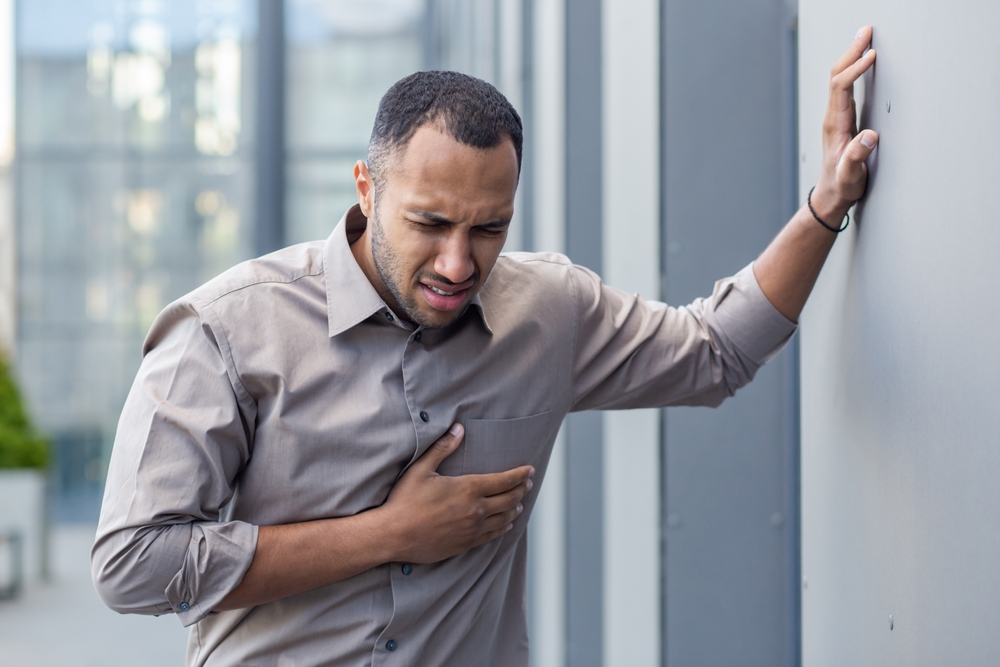
Chest pain or discomfort is one of the hallmark signs of potential heart trouble, but it doesn’t always appear in the dramatic fashion depicted in movies. For many, the feeling may be mild or mistaken for indigestion, a pulled muscle, or anxiety. This discomfort, known medically as angina, occurs when the heart muscle doesn’t receive enough oxygen-rich blood, often due to narrowed or blocked arteries.
People commonly describe it as pressure, squeezing, fullness, or burning in the chest. It may occur during physical activity or emotional stress and improve with rest. However, any recurring chest discomfort should be taken seriously, even if it feels minor. In women, especially, chest pain may be less prominent or absent, making it critical to pay attention to additional signs. A medical professional should evaluate unexplained tightness or heaviness in the chest.
Shortness of Breath Without Physical Exertion
Shortness of breath, primarily when it arises without strenuous activity, is another early warning sign that something may be wrong with your heart. When the heart can’t pump efficiently, fluid may build up in the lungs, leading to a sensation of breathlessness even during routine tasks like walking, climbing stairs, or lying down flat.
This symptom can be subtle at first. Some individuals notice they’re avoiding activities they previously handled efficiently or need more pillows at night to breathe comfortably. These clues might seem like general aging or lack of fitness, but could signal the early stages of heart failure or valve problems. Pay attention to any sudden changes in your ability to catch your breath or unexplained fatigue associated with breathing difficulty.
Fatigue That Feels Abnormal
Everyone feels tired from time to time, but persistent, unexplained fatigue may point to an underlying heart condition. When the heart struggles to deliver oxygenated blood to the body, your muscles and organs may not get the energy they need, leading to a lingering sense of exhaustion that doesn’t improve with rest.
Heart-related fatigue is often described as a deep, whole-body tiredness. It may interfere with your daily routines or cause you to nap more frequently. Some people, particularly women, report profound fatigue as one of the first signs of heart disease. If you find yourself unusually tired after minor exertion or notice a general decline in your stamina, it’s worth discussing with a healthcare provider.
Swelling in the Legs, Ankles, or Feet
Swelling in the lower extremities, known as peripheral edema, can result from poor circulation and is commonly linked to heart disease. When the heart is unable to pump blood efficiently, blood can back up in the veins, causing fluid to accumulate in tissues, especially in the legs and feet due to gravity.
This swelling may be mild at first and worsen throughout the day. You might notice that your socks leave deeper indentations or that your shoes feel tight by evening. Left untreated, this condition can progress and may signal worsening heart function, particularly heart failure. It is important not to ignore swelling, especially when accompanied by weight gain, fatigue, or shortness of breath.
Irregular or Rapid Heartbeat
An irregular heartbeat, or arrhythmia, can occur for a variety of reasons, including caffeine, stress, or lack of sleep. However, frequent or unexplained palpitations, especially those accompanied by lightheadedness or fainting, may indicate a deeper cardiac issue. Some arrhythmias are benign, but others can increase the risk of stroke, heart failure, or sudden cardiac arrest.
Symptoms can include a fluttering sensation in the chest, skipped beats, or a racing heart. These may be more noticeable during rest or at night. If you consistently feel that your heart is out of rhythm or beating too quickly or too slowly, it’s important to seek evaluation. Detecting arrhythmias early can prevent complications and allow for appropriate interventions such as medication or monitoring.
Nausea, Sweating, or Lightheadedness
Some early signs of heart disease can be mistaken for unrelated issues like gastrointestinal distress, anxiety, or dehydration. Nausea, cold sweats, and dizziness can all signal decreased blood flow due to a blocked artery or heart muscle weakness. These symptoms may appear during a cardiac event or even in the days or weeks leading up to it.
These sensations can be especially deceptive in women, who are more likely to experience heart attacks without the classic chest pain. If you experience sudden or unexplained nausea, clammy skin, or episodes of faintness, especially in combination with other symptoms, it’s essential not to dismiss them. These may be early indications of your heart under strain.
Warning Signs You Should Not Ignore
Here is a summary of early warning signs that warrant medical attention:
- Discomfort, pressure, or pain in the chest
- Shortness of breath with minimal exertion or at rest
- Unusual fatigue or exhaustion that doesn’t resolve with rest
- Swelling in the legs, ankles, or feet
- Irregular, fast, or fluttering heartbeat
- Nausea, cold sweats, or lightheadedness
These signs may appear gradually or suddenly and should never be ignored. While not every instance signals heart disease, consistent or unexplained symptoms are reason enough to consult with a healthcare provider for appropriate evaluation.
Risk Factors That Heighten Concern
Understanding your personal risk factors can help you interpret the significance of these early symptoms. Individuals with high blood pressure, high cholesterol, diabetes, or a family history of heart disease are more likely to develop cardiovascular issues. Smoking, a sedentary lifestyle, poor diet, and chronic stress also increase risk.
When early symptoms appear in someone with these risk factors, there’s an even greater need for immediate attention. Early diagnosis can lead to lifestyle changes, medications, or monitoring that significantly reduce the risk of a significant cardiac event. It’s far easier to manage heart disease in its early stages than after a heart attack or stroke has occurred.
Take Proactive Steps for Heart Health
Recognizing the signs of heart disease is the first step, but knowing how to respond is just as important. If you or a loved one notices these symptoms, don’t wait for them to become severe. Schedule a consultation with a physician or cardiologist, especially if you have known risk factors. Early detection through tests such as EKGs, stress testing, or blood panels can provide clarity and direction.
At The Palm Beach Clinic for Concierge Internal Medicine and Cardiology, our mission is to promote proactive health awareness and encourage patients to take heart symptoms seriously. When patients are equipped with the knowledge of what to look for, they’re empowered to make life-saving decisions about their health. Recognizing the early warning signs of heart disease may not only improve your quality of life, it could very well save it.
Learn More
- Mensah, G. A., Wei, G. S., Sorlie, P. D., et al. (2017). Decline in Cardiovascular Mortality: Possible Causes and Implications. Circulation Research.
- Mehta, L. S., Beckie, T. M., DeVon, H. A., et al. (2016). Acute Myocardial Infarction in Women: A Scientific Statement From the American Heart Association. Circulation.
- Roger, V. L. (2013). Epidemiology of Heart Failure. Circulation Research.