The excitement surrounding the 2026 FIFA World Cup is building as millions of fans prepare to travel across the United States to watch the world’s most popular sporting event. While the tournament promises unforgettable moments on the field, it also presents unique public health challenges that healthcare professionals and local health departments are actively preparing to address.
With matches scheduled in multiple cities across the country and visitors arriving from around the globe, the World Cup will create one of the largest international gatherings in recent history. Such events bring tremendous economic and cultural benefits, but they can also place significant demands on local healthcare systems and increase the risk of certain health concerns.
Why Large International Events Create Public Health Challenges
Major sporting events attract people from dozens of countries, each with different health profiles, vaccination rates, and exposure to infectious diseases. During the World Cup, millions of visitors will be traveling, attending crowded venues, using public transportation, and gathering in restaurants, hotels, and fan zones.
When large populations converge in a relatively short period of time, public health officials must monitor for potential outbreaks and ensure that local healthcare resources remain available for both residents and visitors.
Healthcare systems in host cities are preparing for increased demand as visitors seek medical care for both routine issues and unexpected emergencies. Hospitals, emergency rooms, and urgent care facilities are working closely with public health agencies to ensure they are prepared to respond efficiently throughout the tournament.
Potential Health Risks During the World Cup
Several health concerns are commonly associated with large international events:
Heat-Related Illnesses
Many World Cup matches and fan events will take place during the summer months when temperatures can become dangerously high in certain regions of the United States. Prolonged exposure to heat, dehydration, and excessive alcohol consumption can increase the risk of heat exhaustion and heat stroke.
Visitors who are not accustomed to local weather conditions may be particularly vulnerable.
Foodborne Illnesses
With millions of people dining at restaurants, food vendors, and event venues, food safety becomes an important consideration. While most establishments follow strict health regulations, foodborne illnesses can still occur when proper precautions are not taken.
Travelers should pay attention to food quality, stay hydrated, and avoid foods that appear improperly stored or prepared.
Infectious Diseases
Large crowds create opportunities for viruses and other infectious diseases to spread more easily. Common respiratory illnesses, gastrointestinal infections, and other communicable diseases can circulate rapidly when people are in close contact for extended periods.
Public health agencies continuously monitor disease activity and work to identify potential concerns before they become widespread.
Mosquito-Borne Diseases
Certain areas of the United States experience mosquito activity capable of transmitting illnesses such as West Nile virus and other mosquito-borne diseases. While the overall risk remains relatively low, visitors should take appropriate precautions, especially when spending time outdoors.
How Visitors Can Protect Themselves
The good news is that most health risks associated with large events can be reduced through simple preventive measures.
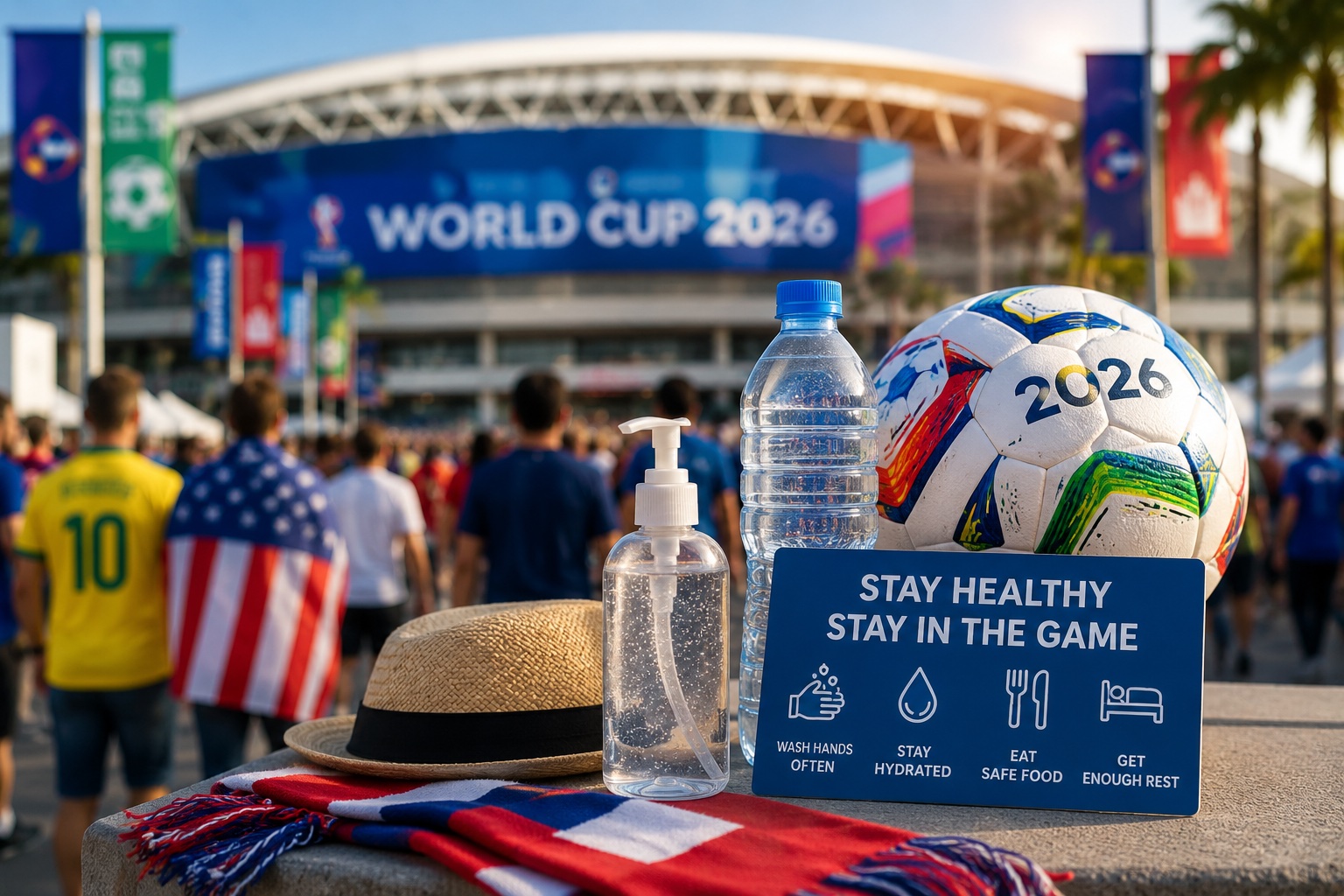
Practice Good Hand Hygiene
Regular hand washing remains one of the most effective ways to reduce the spread of illness. When soap and water are unavailable, alcohol-based hand sanitizers provide a convenient alternative.
Stay Hydrated
Heat and increased physical activity can quickly lead to dehydration. Drinking plenty of water throughout the day is especially important when attending outdoor events or spending long periods in the sun.
Make Smart Food Choices
Choose reputable restaurants and food vendors, and be mindful of food that may have been sitting out for extended periods. Proper food handling remains one of the best defenses against foodborne illness.
Get Adequate Rest
Travel, excitement, and packed schedules can lead many visitors to neglect sleep. However, adequate rest supports the immune system and helps the body better handle the physical demands of travel and crowded environments.
Use Common Sense with Alcohol Consumption
Excessive alcohol use can contribute to dehydration, heat-related illness, accidents, and poor decision-making. Moderation is important, particularly during long days of outdoor activities.
A Time for Preparation, Not Panic
While public health officials remain vigilant, there is no reason for fear. The United States has extensive experience hosting major sporting events and large gatherings. Healthcare providers, hospitals, emergency responders, and public health agencies have been planning extensively to ensure a safe and successful World Cup experience.
The key for visitors is to practice common-sense health precautions and remain aware of their surroundings. Most attendees will enjoy the tournament without experiencing any significant health issues.
The 2026 World Cup will be a historic event that brings together people from around the world to celebrate sport, culture, and international friendship. By taking simple preventive measures and prioritizing personal health, fans can focus on what matters most—enjoying the excitement of the game.